




Improving vet clinic efficiency with better end-of-day workflows

Most clinics don’t struggle at 8 a.m. The team is fresh, the schedule looks doable, and everyone starts in sync. The real pressure shows up around 4:00 p.m. when documentation is still unfinished, callbacks stack up, and every loose end seems to surface at the same time.
Closing time becomes chaotic not because the team isn’t doing their best, but because the workflow isn’t distributing weight evenly across the day. Small delays build into big ones. Tasks that seemed harmless at noon become overwhelming by evening.
Well-run clinics still have busy days, but they finish them differently. Their operations are built around daily habits that reduce friction, protect clinician bandwidth, and keep work moving steadily from open to close. That’s the foundation of effective practice management and meaningful workflow optimization.
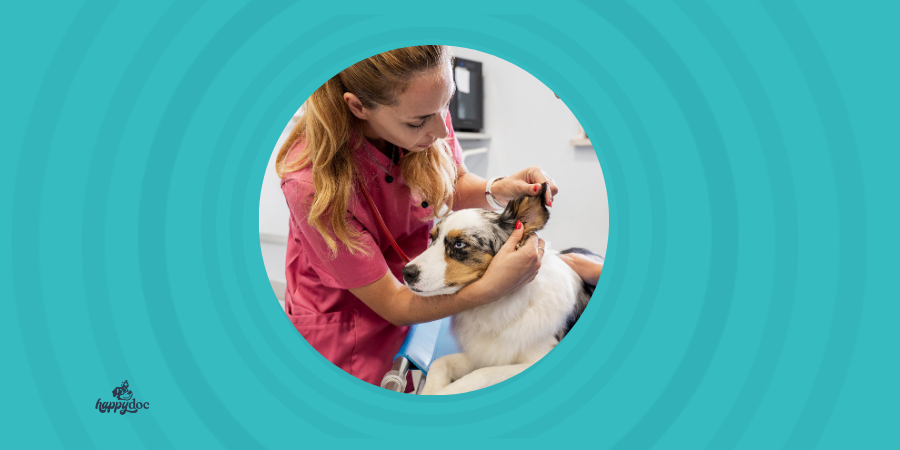
Understand why closing time becomes chaotic
Closing-time stress almost always traces back to the same operational patterns:
- Documentation backlog that grows as the day progresses
- Callbacks saved for the afternoon, creating an immediate bottleneck
- Charges entered late, increasing both workload and error rate
- Appointment spillover from unrealistic booking or complex cases
- Administrative tasks left until “there’s time,” which rarely happens
These issues accumulate quietly and then peak together, turning the last hour into triage mode. Clinics with strong systems identify these patterns early and design workflows that prevent the pileup.
Strengthen veterinary workflow optimization
Most closing-time chaos comes down to one thing: too much friction accumulated over too many hours. Good workflow optimization reduces both the visible tasks and the hidden mental burden.
The most effective vet clinics excel in three areas:
1. They externalize information so the team doesn’t rely on memory
Memory-based workflows collapse under pressure. When callbacks, follow-ups, or treatment updates live “in someone’s head,” they surface at the end of the day.
Efficient clinics build systems that show the full picture in real time:
- treatment boards with clear statuses
- callback queues visible to the whole team
- standardized plan templates
- real-time task boards
- consistent indicators for “ready for discharge”
When information lives in the system instead of in minds, the team works with more clarity and far fewer surprises at 5 p.m.
2. They eliminate duplicate work and unnecessary manual steps
Rework is one of the most expensive forms of workflow drag. If multiple people enter the same information, or handoffs require clarifying questions, delays compound quickly.
Workflow optimization reduces this by:
- standardizing how data moves through the clinic
- reducing double entry
- using consistent documentation templates
- minimizing repeat questioning across the client journey
- aligning intake, exam, and discharge information
This often creates immediate efficiency gains without changing headcount.
3. They design workflows around realistic energy patterns
Not all tasks are created equal. Documentation, treatment planning, and complex communication require high cognitive effort. Inventory checks, status updates, and discharge summaries require much less.
Clinics that understand this align tasks with available energy:
- high-focus tasks earlier
- batchable tasks spread across the day
- predictable times for routine work
This keeps the day balanced and prevents last-hour overload.

Support closing-time stability with better documentation habits
Documentation is the single strongest predictor of how the end of the day will feel.
When notes pile up:
- accuracy drops
- charge capture suffers
- follow-up clarity weakens
- clinicians feel increased mental load
- handoffs become inconsistent
- after-hours work becomes the norm
The strongest operational habits start with capturing information while it’s still fresh. When details are documented in real time, accuracy goes up, note quality improves, and clinicians avoid the mental load of holding information in their heads all day.
AI scribes strengthen this habit by turning the exam-room conversation into structured notes as the appointment unfolds. Doctors don’t have to multitask or backtrack. They finish the visit with a draft that reflects exactly what was said, while the details are still crisp.
Mid-day documentation reviews also become easier. Instead of sorting through half-written notes or fragmented fragments of memory, clinicians and managers can quickly confirm what’s complete and what needs attention. The backlog stays small because there is no “catch-up” phase, the work is already woven into the appointment flow.
When documentation is handled in real time, closing time changes. Charge capture stabilizes. Handoffs become cleaner. There are fewer unresolved tasks and far fewer “I’ll finish this tonight” moments. AI scribes turn documentation from a high-pressure end-of-day problem into a steady, integrated part of patient care, and that shift alone can transform the entire rhythm of a clinic day.
Optimize charge capture to prevent late-day reconciliation
Charge capture is one of the quietest drivers of end-of-day stress. If charges aren’t entered during or immediately after the visit, the team must reconstruct everything when they’re already tired and trying to close.
Clinics that avoid this trap:
- enter charges in real time
- tie them directly to documented services
- use a mid-afternoon charge review to catch errors early
- avoid the “everything at closing time” reconciliation rush
An AI assistant strengthens this process by making documentation more complete and more consistent from the start. When the AI captures medical details as they’re spoken in the exam room, the resulting notes reflect every service discussed, including diagnostics, procedures, treatments, rechecks, follow-up recommendations. Nothing relies on memory.
That accuracy means teams aren’t searching through fragmented notes or double-checking with clinicians hours later. Charge capture becomes a cleaner, faster, more reliable step because all the information is already organized and easy to review. The result is less rework, fewer missed charges, and a smoother closing routine.
Instead of facing a stack of uncertain or incomplete notes at the end of the day, the team has a clear, accurate record of what happened, and the day can end on time.
Calm closings reflect strong practice management
Clinics spread work evenly, reduce cognitive burden, eliminate unnecessary steps, and treat documentation as a real part of clinical care have consistent closes.
The result is a workflow that stays balanced from open to close. And when the workflow feels steady, the entire clinic feels different: more focused, more efficient, and far less stressed at 5 p.m.
Transform your clinic with HappyDoc
Let HappyDoc help you transform your entire approach to patient care. Your clinic's staff will have a personalized AI assistant that works alongside you so you can be free to focus on what matters: your patients.
Schedule a demo to find out how your clinic can operate at its full potential, providing the highest level of care to every patient, every time.


.png)

.png)


